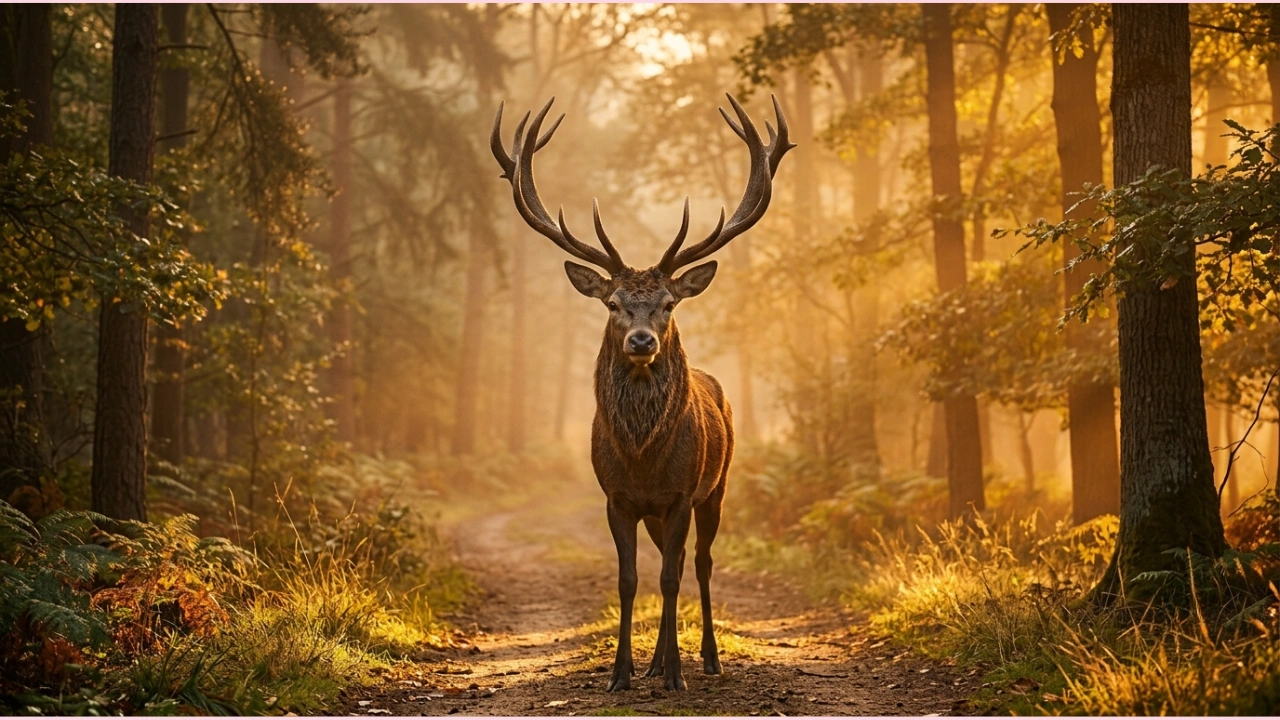
A deer stepping into your path has a way of stopping you mid-thought. One second the road or trail is empty, the next there’s a deer standing still, watching you. It’s brief, but it tends to linger in your mind for days.
Across many traditions, a deer in your path Spiritual Meaning is read as a message about gentleness, instinct, and new beginnings. This guide walks through what that sighting is believed to mean, where the symbolism comes from, and what science says is actually happening when it occurs.
What Does It Mean When a Deer Crosses Your Path?
A deer crossing your path is one of the most widely recognized animal omens in folk tradition. The meaning isn’t fixed — it shifts slightly by culture and context — but a handful of themes show up again and again.
Gentleness tops the list. Deer are non-aggressive by nature, and their sudden appearance is often taken as a nudge to soften, especially if you’ve been carrying stress or conflict.
Alertness and instinct come next. A deer survives by staying constantly aware of its surroundings while still appearing calm. That mix is often read as encouragement to trust your gut instead of overthinking a decision.
New beginnings and guidance round out the core meaning. Because the deer seems to appear out of nowhere, many people interpret it as a sign that they’re on the right track, or that a fresh chapter is starting.
Protection is the fourth common thread. Some traditions treat the deer as a guardian spirit, showing up during a hard stretch as reassurance that you’re not walking through it alone.
Must Visit:Jumping Spider Spiritual Meaning: 30 Powerful Spiritual Messages You Shouldn’t Ignore
Deer Spiritual Meaning Across Cultures and Traditions
What makes the deer spiritual meaning interesting is how consistent it stays across cultures that had no contact with each other.
In Celtic mythology, the deer — particularly the white stag — was viewed as a messenger from the Otherworld. Encountering one was believed to signal the start of a spiritual journey or a major personal shift.
In Buddhism, the deer holds a place of real significance because the Buddha delivered his first sermon at the Deer Park in Sarnath. Because of that history, deer represent mindfulness, peace, and the gentle nature of Buddhist teaching.
Many Native American traditions, including Lakota belief, connect the deer to love, kindness, and sensitivity. “Deer medicine” teaches that true strength comes through grace rather than force — a heart-led way of moving through the world.
In Hindu tradition, the deer is linked to Saraswati, the goddess of knowledge and wisdom, tying the animal to learning and clarity of mind.
Christian symbolism frames the deer as a picture of purity and the soul’s longing for the divine — an image tied to devotion and quiet faith.
The fact that these unrelated traditions landed on nearly the same meaning — softness paired with awareness — is part of why the symbol has held on for so long.
Hidden Messages: What the Details of the Encounter Reveal
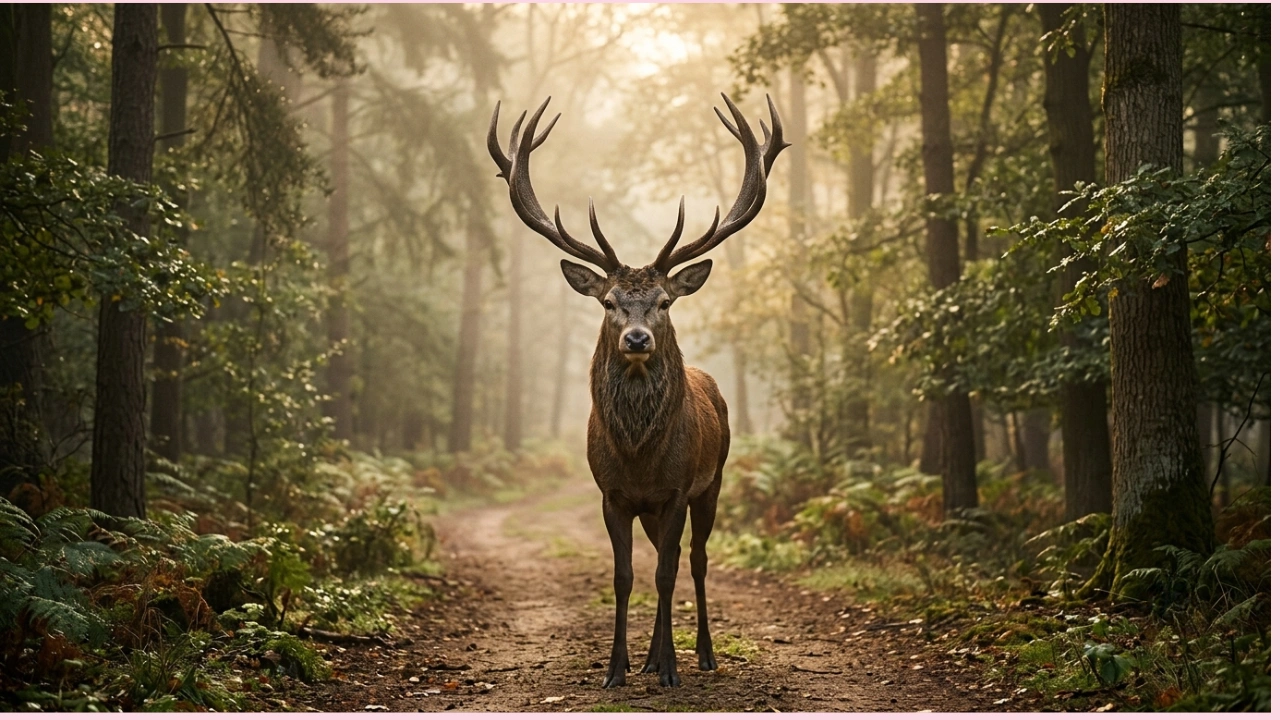
Not every deer sighting reads the same way. The details of the encounter often shape what people believe it’s trying to say.
When the deer stops and looks at you. Since deer are quick to bolt, a moment where one pauses and holds your gaze feels different. This is generally read as a deeper invitation — to slow down, soften, and pay closer attention to what your instincts are already telling you.
Buck versus doe. A buck, with its antlers, tends to be linked to regeneration and standing your ground, since antlers are shed and regrown every year. A doe leans toward nurturing and intuition. Both still carry the animal’s core themes of grace and alertness.
Seeing a deer in a dream. A dream deer is usually connected to innocence and a desire for a fresh start, often surfacing when someone is craving more peace or gentleness in waking life.
A deer as a sign from someone who has passed. In several traditions, an unexpected deer sighting — especially one that feels oddly timed — is interpreted as a visit from a loved one who has died, a quiet reminder that the connection hasn’t ended.
The Science Behind Deer Encounters
Most articles on this topic stop at symbolism. But there’s a practical, factual layer worth knowing too — and it actually deepens the meaning rather than undercutting it.
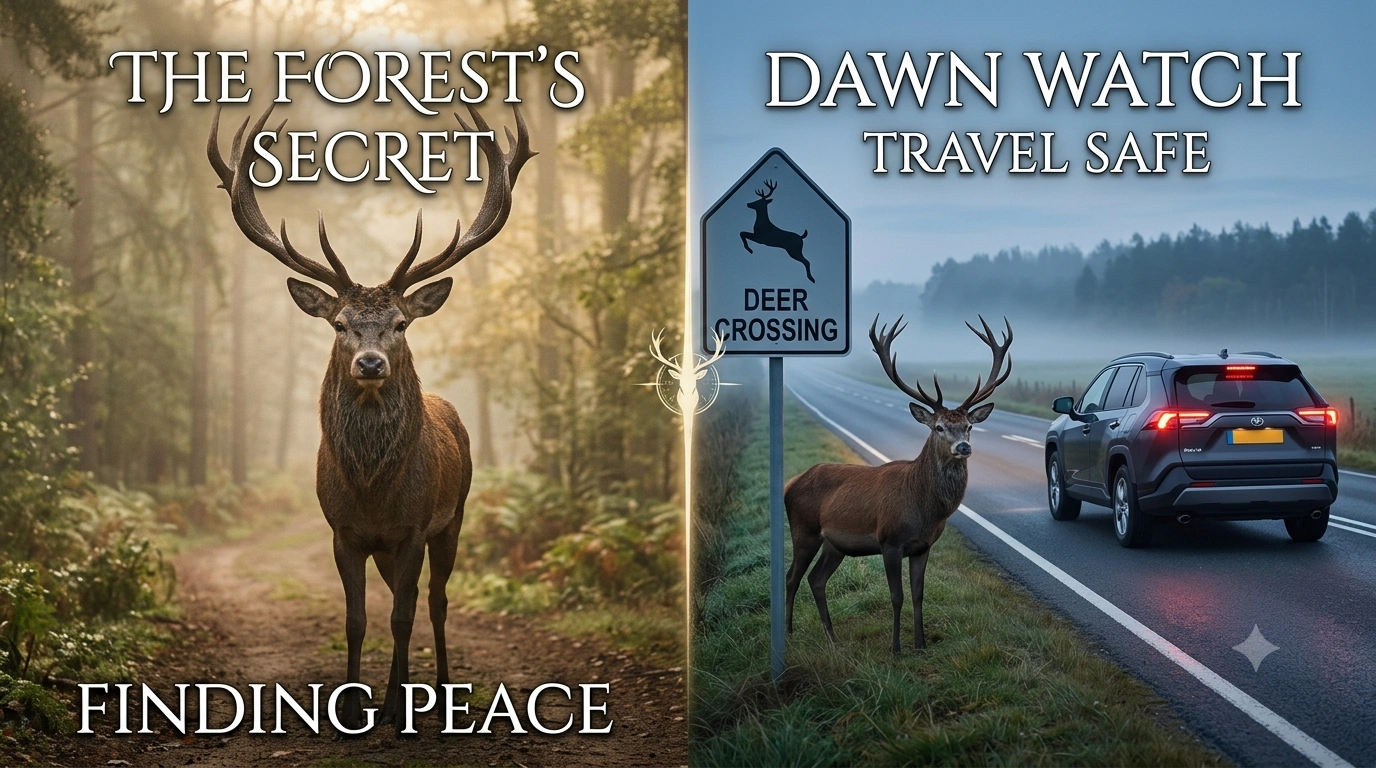
Deer are crepuscular, meaning they’re most active at dawn and dusk. That’s exactly when most roadside encounters happen, which is part of why the sighting can feel so sudden and dramatic — you’re most likely to see one when light is low and your own alertness is naturally lower too.
The “freeze” behavior people find so striking — a deer locking eyes with you instead of fleeing — is a real survival response. Deer rely heavily on stillness to avoid detection by predators, so a pause and stare isn’t mystical on its own; it’s biology. The symbolic reading simply layers meaning on top of an instinctive act.
There’s also a safety side worth knowing. According to State Farm’s annual data, U.S. drivers filed roughly 1.7 million animal collision claims between July 2024 and June 2025, and deer accounted for more than 1.1 million of them. The Insurance Institute for Highway Safety notes that collisions with deer cause around 200 driver deaths a year in the U.S., with October through December — deer mating season — the most dangerous stretch. If a deer crosses your path near a road, the safest response is to slow down and brake in a straight line rather than swerve, since Consumer Reports notes that losing control while swerving is often more dangerous than the collision itself.
How to Respond to a Deer Sighting
If a deer crosses your path and it feels meaningful, there are simple ways to sit with it rather than rush past it.
Take a moment to notice what you were thinking about right before the deer appeared. Many people find the encounter lines up with something they’d been avoiding or overthinking.
Ask where you could afford to be gentler — with yourself or someone else. This is the theme that shows up across nearly every tradition, so it’s worth taking seriously even if you’re not sure you believe in omens.
Journaling the moment, even in two or three sentences, is a common way people process the sighting. You don’t need a dramatic interpretation. Sometimes the value is just in pausing.
Frequently Asked Questions
What does it mean if you see a deer in your path?
Seeing a deer in your path is widely interpreted as a sign to lead with gentleness while staying alert. It’s often read as encouragement to trust your instincts, especially if you’ve been overthinking a decision.
Is seeing a deer good luck or bad luck?
In most traditions, seeing a deer is considered a positive, reassuring sign rather than a warning. It’s commonly associated with new beginnings, guidance, and emotional healing.
What to do if a deer crosses your path?
Spiritually, many people pause to notice what they were thinking about in that moment and reflect on where they could be gentler with themselves or others. Practically, if you’re driving, slow down and brake in a straight line rather than swerve, since sudden swerving is a leading cause of serious crashes during deer encounters.
What does it mean when you see a deer on the side of the road?
A deer on the side of the road carries the same core symbolism — alertness, gentleness, and guidance — though many people also read it as a reminder to stay present and aware while driving, since deer are most active at dawn and dusk.
Final Thoughts
A deer in your path doesn’t need a single fixed meaning to be worth noticing. Whether you read it as a spiritual message or simply a striking moment with a wild animal, it tends to arrive with the same quiet invitation: slow down, soften, and pay attention to what you already know.

Malik Sohail is the admin and author of ParensMeaning.com. He researches and writes clear, engaging content about spiritual meanings, symbolism, signs, and interpretations, helping readers understand deeper insights behind everyday experiences.