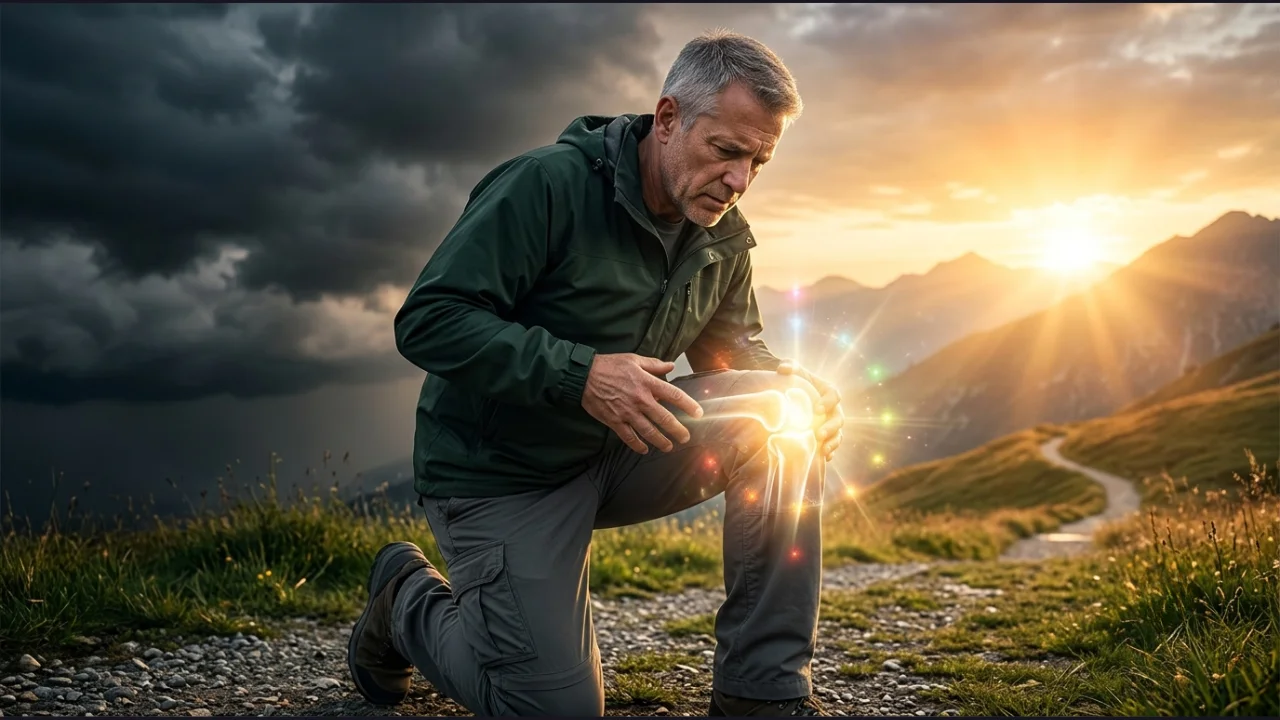
Your knees carry more than body weight. They carry old fear, old habits, and old resistance to change. Knee pain is not just a physical signal. It can also be a spiritual message asking you to bend, adapt, or move forward in life.
This guide breaks down the spiritual meaning of knee pain, ten healing secrets rooted in energy work and mindfulness, and the hard medical facts behind why your knees hurt. You get both worlds here — the symbolic and the scientific — so you can heal from every angle.
What Does Knee Pain Mean Spiritually?
In many healing traditions, the knees represent humility, flexibility, and your ability to move forward. When knee pain shows up with no clear injury, some spiritual teachers see it as a sign of stubbornness or fear of change. You may be resisting a life shift you know is coming.
The knees also connect to your root chakra and sacral chakra. These energy centers govern safety, stability, and emotional flow. A blocked root chakra can show up as stiffness or chronic knee pain, especially when you feel unsupported or ungrounded in daily life.
Ego is another theme tied to knee pain in spiritual practice. Pride and inflexibility — refusing to “bend” or admit you’re wrong — are said to settle physically in the joints, and the knee is often the first to speak up.
Must Visit:10 Platypus Guide: Powerful Spiritual Insights from Nature
10 Spiritual Healing Secrets for Knee Pain
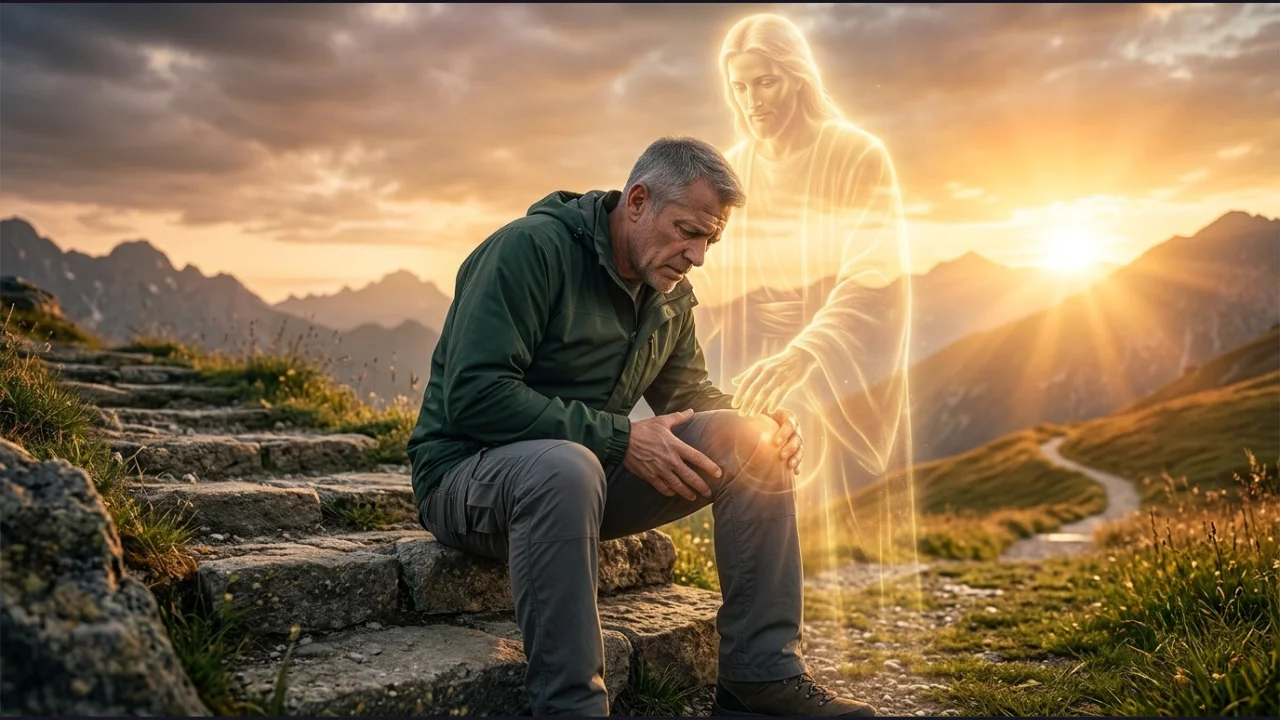
These practices work alongside — never instead of — proper medical care. Think of them as tools for emotional and energetic release.
1. Emotional release journaling. Write about a time you resisted change. Old resentment often surfaces here.
2. Root chakra grounding. Walk barefoot on grass or soil for ten minutes daily to restore a sense of safety and stability.
3. Forgiveness practice. Holding onto blame — toward yourself or others — is linked to tension that settles in the lower body.
4. Guided meditation on flexibility. Visualize your knees moving freely, without stiffness or fear.
5. Reiki or energy healing. Many practitioners target the knee’s energy points to release stored tension.
6. Daily affirmations. Repeat phrases like “I move forward with ease” to reprogram fear-based thought patterns.
7. Reconnect with nature. Time outdoors resets your nervous system and supports grounding, a core concept in energy healing.
8. Explore ancestral patterns. Some believe recurring joint pain reflects inherited family patterns around control or fear.
9. Breathwork for the lower body. Slow, deep breathing while focusing on the knees can ease both physical and energetic tightness.
10. Reframe the pain as a message. Instead of fighting the discomfort, ask what area of your life needs more flexibility right now.
Left Knee vs Right Knee Spiritual Meaning
Location matters in both spiritual and physical knee pain. Many energy-healing traditions link the left side of the body to the feminine, emotional, and past-oriented energy. Left knee pain may point to unresolved emotional wounds or fear rooted in your history.
The right knee, on the other hand, connects to masculine, logical, and future-focused energy. Right knee pain often relates to fear of upcoming decisions, career changes, or new responsibilities.
This left-right distinction is a detail most spiritual wellness articles skip. Paying attention to which knee hurts can add a useful layer to your self-reflection.
Physical Causes of Knee Pain (What Science Says)
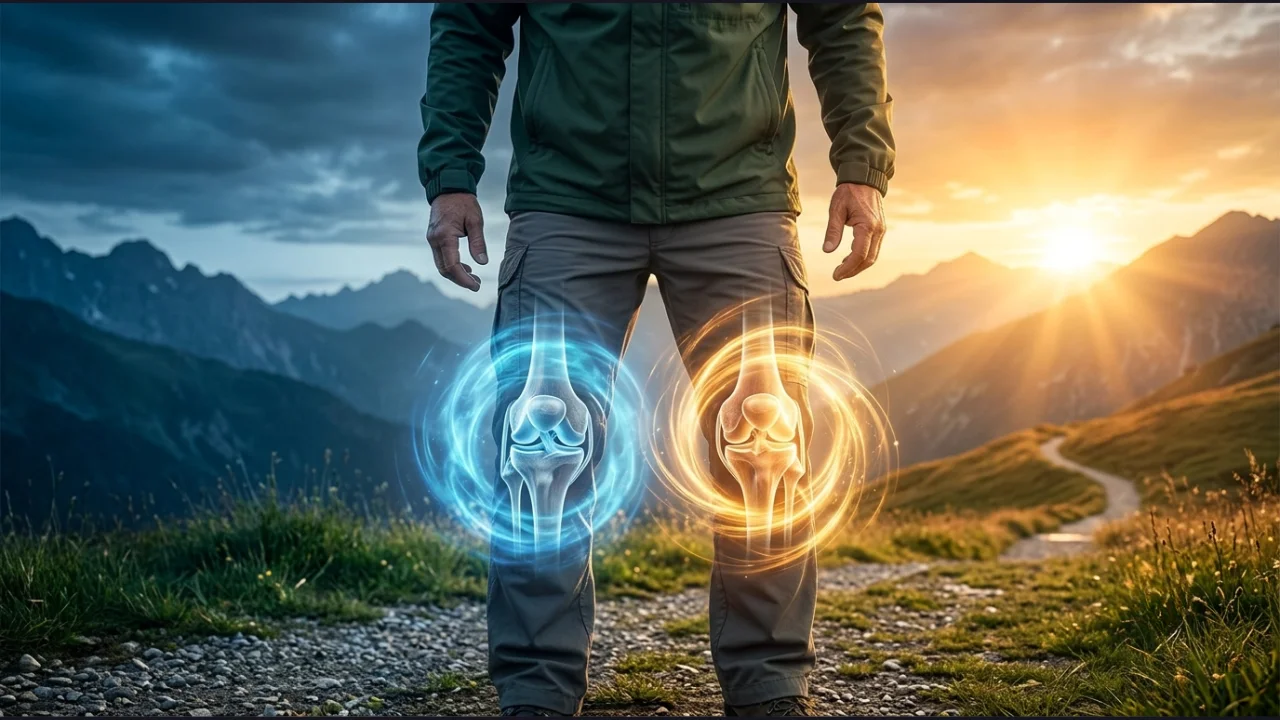
Spiritual insight works best alongside real medical facts. Knee pain affects roughly 25% of adults, and its rate has climbed nearly 65% over the past two decades, driving close to 4 million primary care visits every year in the United States, according to the American Academy of Family Physicians.
The most common physical causes include:
- Osteoarthritis — cartilage breakdown from wear and tear over time
- Ligament injuries — including ACL and MCL tears from sports or sudden twists
- Meniscus tears — damage to the cartilage cushion between the femur and tibia
- Bursitis — inflammation of the fluid-filled sacs that cushion the joint
- Patellofemoral pain syndrome — often called “runner’s knee,” common in active adults
Women report knee pain more often than men, largely due to hormonal shifts, wider hip-to-knee angles, and biomechanical differences. Obesity is also a major driver — carrying extra weight multiplies pressure on the joint with every step.
How to Combine Spiritual Healing with Physical Recovery
The most effective approach treats the body and mind together. Start with the basics: rest, gentle stretching, and low-impact movement like swimming or cycling. Pair this with the spiritual practices above — grounding, journaling, and meditation — to address both the physical strain and the emotional pattern behind it.
If pain lasts more than a few days, comes with swelling, or limits how you walk, see a healthcare provider. Spiritual healing supports recovery. It does not replace a proper diagnosis when something is physically wrong.
FAQs
What is the best remedy for knee pain?
Rest, ice, compression, and elevation (RICE) remain the go-to first response for minor knee pain. Physical therapy, weight management, and anti-inflammatory medication also help for ongoing discomfort. Pairing these with grounding or meditation can support emotional healing alongside physical relief.
What causes knee pain in females?
Hormonal changes, wider pelvic structure, and conditions like patellofemoral pain syndrome make women more prone to knee pain than men. Pregnancy, menopause-related joint changes, and higher rates of osteoarthritis after 50 also play a role.
What are the best exercises for knee pain?
Low-impact options work best: swimming, cycling, and walking build strength without stressing the joint. Gentle stretching and quad-strengthening exercises, like straight leg raises, also help stabilize the knee over time.
What disease starts with knee pain?
Osteoarthritis is the most common condition that begins with knee pain, especially in adults over 45. Other conditions include rheumatoid arthritis, gout, and septic arthritis, which can cause sudden, sharp knee pain along with swelling or redness.
Final Thoughts
Knee pain speaks on two levels — physical and spiritual. Listening to both gives you a fuller picture of what your body needs. Address the root cause, support your joints with real care, and stay open to what the pain might be trying to tell you about moving forward in life.

Malik Sohail is the admin and author of ParensMeaning.com. He researches and writes clear, engaging content about spiritual meanings, symbolism, signs, and interpretations, helping readers understand deeper insights behind everyday experiences.